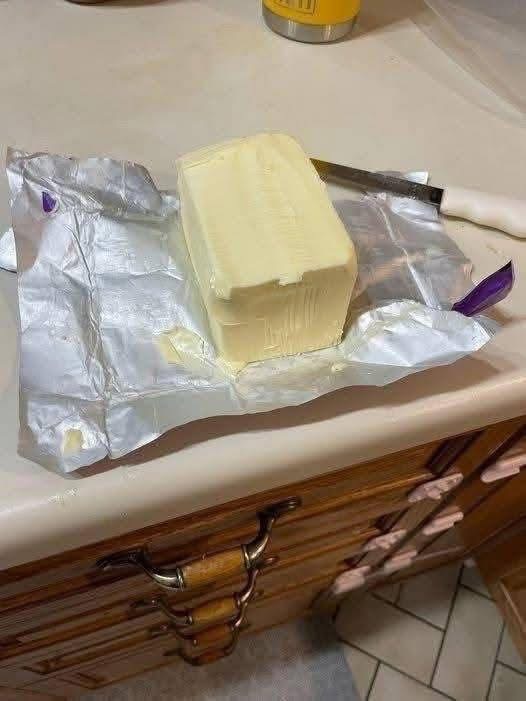
Leaving Butter on the Counter: A Practical Guide
Is It Safe?
Yes, for most people, leaving butter on the counter is safe and common practice. Butter is about 80% milk fat and contains only about 16-18% water, which makes it less prone to bacterial growth than other dairy products. Salted butter is even more resistant due to the salt acting as a preservative.
The Benefits of Keeping Butter at Room Temperature
· Spreadability: No more tearing your toast!
· Better for Baking: Soft butter creams more easily with sugar.
· Convenience: Ready whenever you need it.
How to Do It Right
Choose the Right Butter
· Salted butter is best for counter storage due to its longer shelf life.
· Unsalted butter can be left out but spoils faster—use within a few days.
Use a Proper Container
· A butter crock/bell (French butter dish) keeps butter fresh by creating a water seal.
· A covered butter dish or any airtight container works well too.
· Keep it away from direct sunlight and heat sources.
Manage Quantity
· Keep only what you’ll use in 5-7 days (up to 2 weeks for salted butter in cooler climates).
· Keep the rest refrigerated and replenish as needed.
When to Refrigerate
· In hot, humid climates (above 70°F/21°C)
· If you won’t use it within a week
· If you notice any off smells, discoloration, or mold
· Unsalted butter in warm weather
Food Safety Notes
· Butter can become rancid (oxidized) before it spoils bacterially—trust your nose!
· If butter develops an “off” smell or tastes sour, discard it.
· Pregnant individuals, young children, elderly, or immunocompromised people may want to be more conservative.
Butter Crock Instructions (If Using)
Fill the base with ½ inch of cold water.
Pack soft butter into the bell-shaped lid.
Invert the lid onto the base so butter is submerged in water but not touching it.
Change water every 2-3 days.
Bottom Line: Leaving salted butter at room temperature in a covered dish is generally safe and practical for short-term use. Adjust based on your climate and consumption habits.